


In the Northern Hemisphere, we’re entering the time of year when the days are getting shorter, the temperatures are creeping down, and the alarm clock seems even harder to listen to. If you’re like me, fighting to get out of bed is a real thing this time of year. That doesn’t mean you don’t care about your goals—you’re just battling the change of the seasons. Here are six things you can do to get out the door for your run and make the experience as pleasant as possible.
6 tips for running in the dark during the winter
1. Be savvy about seasonal affective disorder
Seasonal Affective Disorder, or SAD, is your body’s natural response to the changing of the seasons. Reduced levels of sunlight can throw off your circadian rhythm and cause a drop in serotonin and melatonin, leaving you feeling moody and sapped of energy. If you’re feeling like it’s “worse than normal,” consider seeing your primary care physician to discuss options.
2. Maximize your exposure to sunlight
A common remedy for SAD is using a light box during the day to replicate light exposure. Phototherapy is very effective and commonly used by athletes in northern climates to help regulate serotonin and melatonin levels. It can also be beneficial to move your runs to daybreak or midday to maximize sun exposure during the week. If you live in a cloudy climate, consider working with a professional to ensure you have enough Vitamin D and other vitamins to keep you healthy year-round.
3. Wear bright gear while running in the dark
Entire companies are dedicated to runner safety in low light, offering everything from light vests and waist lamps, to reflective pants and adhesive stripes. Having these is important, especially if you live in a rural area or have to fight traffic on the side of the road. To be seen is to be safe!
4. Find a running buddy or group
When we’re running out of daylight, it’s easy to come up short on motivation. Putting on a headlamp on a cold day can feel difficult—maybe even insurmountable. But if you’re meeting a friend for a morning run or a running group for an evening jaunt, it becomes a whole lot easier to brave the elements. Don’t be afraid to flex your schedule so your easy runs fall at a more convenient time or day of the week. As a coach, I encourage athletes to still do their workouts independently of the group so they can stick to their training plan. The simple act of showing up, seeing other people fighting the elements, and enjoying the camaraderie during the warm-up and cool-down is reason enough to show up.
5. Change up your running routes
If you’re fighting daylight and feel like you’re stuck in a rut, you may simply need a change in scenery. This could mean exploring a new neighborhood, driving to a different part of town, or just taking a slightly different route from normal. Changing up your route will help you feel more engaged and aware of your surroundings as you run. To keep in the moment, you could seek out well-decorated homes to show your family later, scope out a new place to eat, or find a place of solitude on a new trail. New trails and routes can be the slight shift you need to get out, explore, and find something unexpected right in your backyard.
6. Treat yourself to treadmill runs
When snow is drifting, wind is whipping, and temperatures are bitterly cold, you don’t have to fight the elements. Running on the treadmill is always an option—even if it elicits mixed emotions. A recent study showed that distraction can play a positive role in your running, and it starts with your mindset: if you view treadmill runs as miserable and difficult, they will feel that way.
Many of my athletes “save” their TV time for when they’re on the treadmill or bike trainer. This turns the treadmill into a reward and an effective way to multitask. Your winter run might be the perfect time to catch up on a show everyone at the office is talking about, or to watch Pam and Jim fall in love on The Office for the 35th time (does it ever get old?). Giving yourself a distraction or even a little indulgence is a great strategy for getting your runs in when the days are shorter.
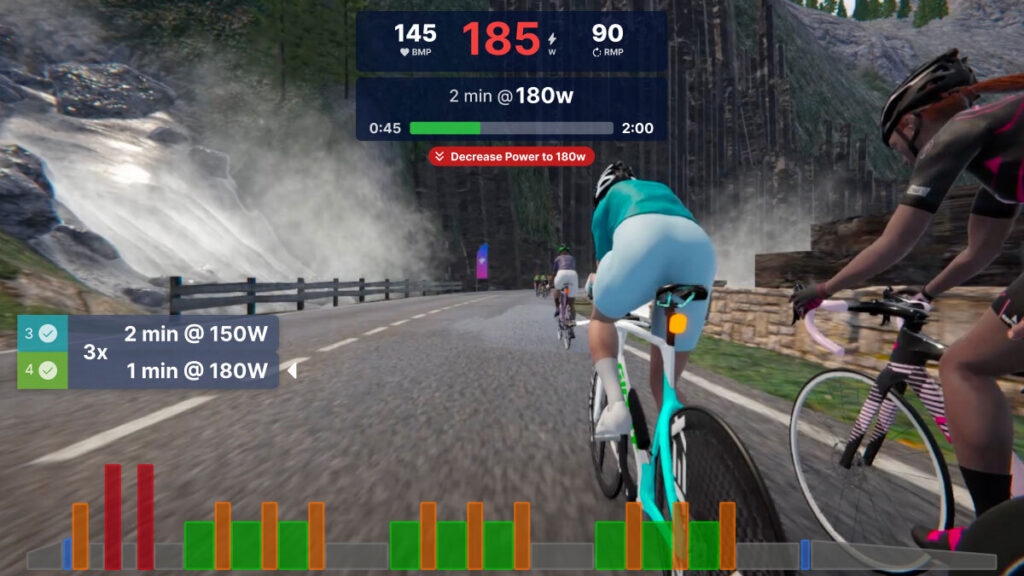
Training Tip → Not into watching TV or want to switch it up? Download TrainingPeaks Virtual (included with Premium!). You can ride routes across the world, plan an event with friends, or give these cycling workouts for runners a try. Cross-training on the bike can help increase your endurance, prevent injury, and make you an all-around better runner.
Getting your workouts in when it’s dark isn’t easy, but a lot of it boils down to your mindset. If you’re dreading the cold air hitting your face first thing in the morning, you may need to shift your mindset from “this is going to suck” to “I’m stronger for getting out today.” This first requires you to self-reflect and understand why you’re dreading the task at hand—a difficult task for most, but a rewarding one. As the daylight dwindles, take a few moments to strategize how you’ll make this season the one where you got the miles in when it wasn’t easy. I promise it will pay off in the spring!
References
Aghdaei, M. et al. (2021, October 1). The Effects of an Associative, Dissociative, Internal, and External Focus of Attention on Running Economy. Retrieved from https://journals.humankinetics.com/view/journals/jmld/aop/article-10.1123-jmld.2020-0067/article-10.1123-jmld.2020-0067.xml


